

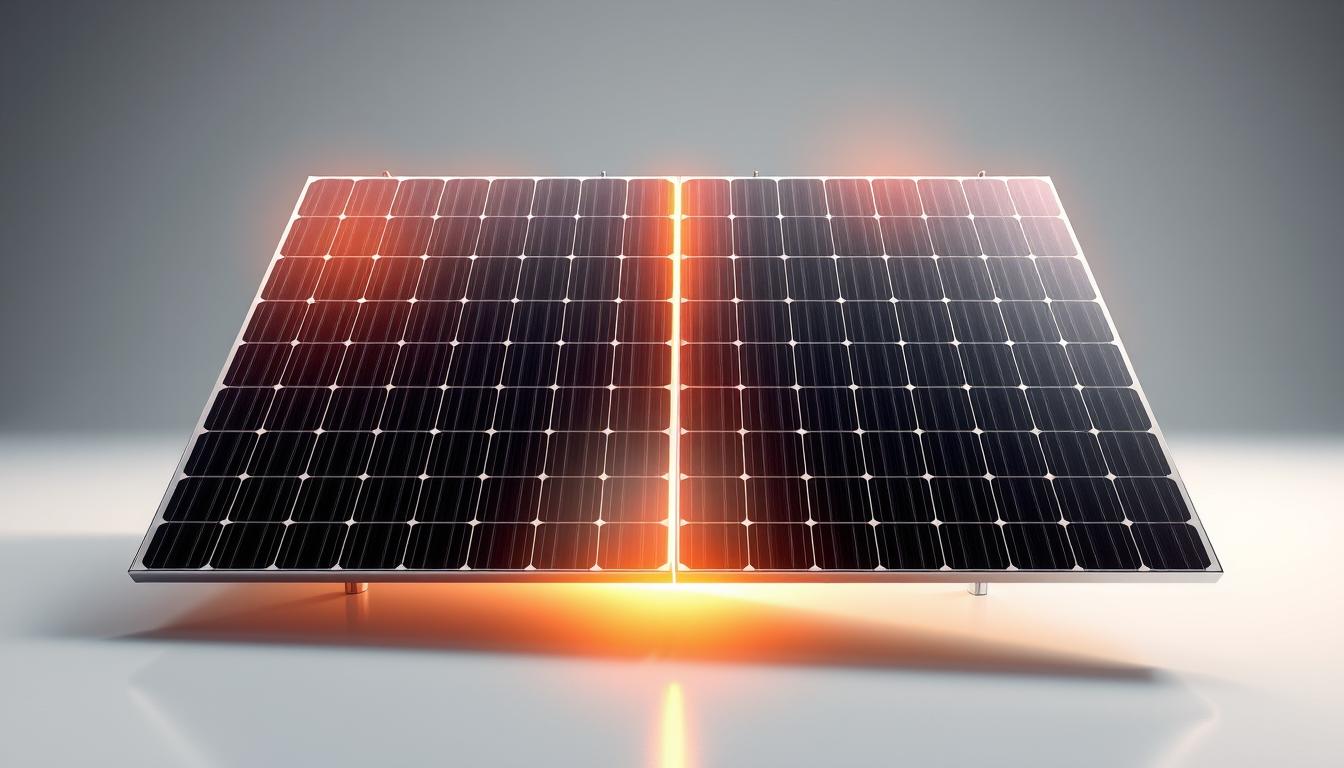
Bifacial Mono PERC panels are leading the future of solar technology by generating power from both sides of the module. Unlike traditional panels, bifacial modules capture additional reflected light from the ground, increasing total energy generation. This makes them a powerful choice, especially for high-irradiation regions like India.
For homeowners, businesses, and utility projects, bifacial technology opens new opportunities for truly sustainable energy.
As an authorised Saatvik distributor, Celestial RenewExperts supplies high-efficiency bifacial Mono PERC panels and complete installation support to help users harness maximum solar output.
Key Takeaways
- Bifacial Mono PERC panels utilize both sides for energy generation.
- They enhance electricity production through ground-reflected light.
- This technology is particular effective in sunny regions like India.
- Bifacial panels offer opportunities for sustainable energy solutions.
- They can cater to both residential and commercial energy demands.
- Gaining popularity as an efficient alternative to traditional panels.
Understanding Bifacial Solar Technology
Bifacial solar technology marks a major advancement in the solar industry. These panels use special solar cells designed to absorb sunlight from the front and rear sides. With a transparent back sheet or glass-glass design, they capture not only direct sunlight but also reflected light from the ground or surrounding surfaces.
This dual-side generation significantly boosts total energy yield.
Bifacial panels perform best in environments with reflective surfaces—such as light-colored tiles, rooftops, snow, sand, or water bodies. As technology evolves, bifacial panels are increasingly becoming the preferred choice for high-efficiency solar installations.
Understanding how bifacial technology works helps us appreciate why it outperforms traditional designs and how it contributes to greater solar productivity.
What is a Bifacial Mono PERC Panel?
A bifacial mono PERC panel is a next-generation solar module that can generate electricity from both sides. Built using high-quality monocrystalline cells and PERC (Passivated Emitter and Rear Contact) technology, these panels offer enhanced efficiency and durability.
Definition and Features
A bifacial Mono PERC panel has:
- Dual-side light absorption
- Higher efficiency due to enhanced cell architecture
- Better performance in varied climates
- Strong, long-life construction
How it Differs from Traditional Panels
| Feature | Bifacial Mono PERC Panels | Traditional Monofacial Panels |
|---|---|---|
| Light Absorption | Front + Back Side | Only Front Side |
| Output | Higher (up to 30% more) | Standard |
| Ideal Conditions | Reflective surfaces, open fields | All rooftops |
| Design | Glass-glass/transparent backsheet | Opaque backsheet |
| Durability | Higher | Standard |
The dual-side generation capability significantly boosts total electricity production, especially in areas with high reflectivity.
How Bifacial Works
Bifacial solar panels change the game by using both sides to collect energy. This makes them more efficient and powerful than traditional panels.
Mechanism of Dual-Sided Energy Collection
Bifacial panels absorb:
- Direct sunlight on the front side
- Reflected or diffused light on the rear side
This two-way energy capture increases total generation and makes the system more efficient than conventional modules.
Reflective surfaces like white paint, marble floors, concrete, or sandy soil significantly improve bifacial output.
Advantages Over Mono-Sided Panels
Higher energy generation
Smaller area required for the same power output
Better ROI over long-term usage
More efficient in diffuse light and cloudy weather
Higher Generation Potentia
Bifacial mono PERC panels can deliver up to 30% higher generation compared to monofacial modules under ideal conditions.
This makes them perfect for India’s conditions where rooftops, open plots, and industrial spaces frequently reflect additional light.
Maximizing Solar Output
The dual-side design ensures more power even during non-peak sunlight hours. These panels maintain strong performance across:
Ground-mounted solar farms
Urban rooftops
Industrial sheds
Agricultural fields
Performance Analysis in Various Conditions
Tests show bifacial mono PERC panels work well in many weather conditions. They stay efficient even in dim light or hot temperatures. This makes them perfect for many uses, ensuring steady energy production no matter the weather.
Benefits of Double-Sided Energy Generation
Double-sided energy generation brings many advantages. It boosts both energy output and environmental benefits. These systems capture solar energy from both sides, leading to more power.
This means better performance in different weather. It also cuts down energy costs for users.
Increased Efficiency
Double-sided energy generation is all about boosting efficiency. Bifacial solar panels use both sides to catch sunlight. This makes them more powerful than single-sided panels.
They cost less per kilowatt-hour (kWh). This design also helps users depend less on fossil fuels. It promotes energy independence.
Environmental Benefits
Double-sided energy generation is great for the environment. These panels help reduce greenhouse gas emissions. They encourage the use of clean energy.
India, for example, is working to meet climate change goals. Using bifacial technology is a big step towards a sustainable future. It helps us move away from dirty fuels and towards a cleaner world.
Applications of Bifacial Mono PERC 144-Cell Panels
Bifacial mono PERC 144-cell panels are changing the game for solar energy. They can catch sunlight from both sides, making them perfect for specific uses. Their success depends on the right settings and how well they work in open areas.
Ideal Settings for Usage
These panels perform exceptionally well in locations such as:
Open plots with white gravel or reflective surfaces
Urban rooftops with reflective floors
Agricultural fields (agrivoltaics)
Industrial complexes
Solar farms near water bodies
Use in Open Spaces
Bifacial mono PERC 144-cell panels are amazing in open areas, like big solar farms. They use sunlight and ground reflections to boost energy. Fields without blocks let sunlight flow freely, perfect for these panels.
Using them here increases energy production a lot. It makes the most of land and meets power needs well.
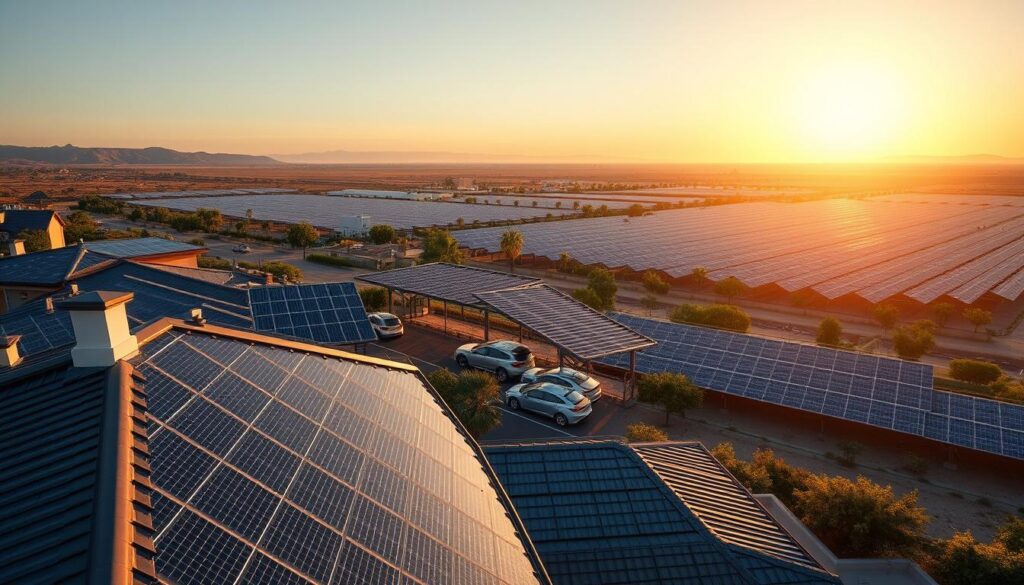
Advantages of Using Bifacial Solar Panels in India
India’s geography and sunny weather are perfect for bifacial solar panels. These panels catch sunlight from both sides, making more energy. The sunny conditions across India make this technology a great choice for many uses.
Ideal Climate Conditions
India gets a lot of sunlight all year, which helps bifacial solar panels work better. Places with lots of sun get more energy from these panels. They work well in any season, showing how flexible solar tech is.
This makes India a top place for green energy solutions.
Economic Impact and Sustainability
Solar energy in India has a big economic effect, thanks to bifacial panels. They need less land but make more energy. This makes solar projects more attractive in the country.
Government support for green energy helps bifacial tech a lot. It leads to more jobs and less use of fossil fuels. This brings economic growth and energy freedom.
Installation Considerations for Bifacial Panels
To maximize output:
- Maintain proper tilt angle
- Ensure reflective ground surface
- Minimize shading
- Use optimal mounting height
- Conduct detailed site analysis
Celestial RenewExperts provides expert system design, rooftop assessment, and professional installation services for Saatvik bifacial modules.
Comparison with Other Solar Technologies
When looking at solar options, it’s key to compare bifacial vs. monofacial panels. Knowing the differences helps you choose the best solar energy solution.
Bifacial vs. Monofacial Solar Panels
Bifacial panels outperform monofacial modules in:
- Efficiency
- Energy yield
- Long-term sustainability
- Open field performance
Performance Against Thin-Film Technologies
Thin-film modules are cheaper but offer lower efficiency (10–15%).
Bifacial Mono PERC panels deliver higher performance and longer life cycles, making them ideal for Indian conditions.
Cost Analysis of Bifacial Mono PERC Panels
Looking into the cost of bifacial mono PERC panels shows key points for both home and business owners. The upfront cost is higher than regular solar panels. But, the long-term savings on energy bills make it worth it. With energy prices going up, bifacial panels’ efficient energy production helps save money.
Initial Investment vs. Long-Term Savings
The first cost of bifacial mono PERC panels might look high. Costs like panel price, installation, and system parts add up. But, these panels work better and last longer, making more energy. This means big savings on your monthly electric bill.
Thinking about the return on investment is key. Bifacial tech’s growing efficiency often leads to a quick payback. This makes it a smart financial choice.
Government Incentives in India
Government help for solar in India makes bifacial mono PERC panels more appealing. Tax breaks, rebates, and subsidies are available. These incentives lower the upfront cost, helping you save money faster.
Using these incentives can lead to energy freedom and economic gains. It’s a smart move for both now and in the future.
Future Trends in Bifacial Solar Technology
The future of bifacial solar technology is looking bright and full of possibilities. New materials and ways to make them will make these panels work better. They will catch more light, leading to more energy.
As more people want clean energy, bifacial tech is ready to help. Governments in places like India are supporting this move. They help make sure these panels can catch more sunlight, giving us more power.
Also, better ways to set up these panels will help them work their best. More money for research will keep making these panels better. This is key for a future where we use energy in a way that’s good for our planet.
Challenges in Adopting Bifacial Technology
Key challenges include:
- Requirement of optimal installation space
- Higher upfront cost
- Need for skilled engineering
Celestial RenewExperts helps solve these challenges by offering complete solar solutions—from module selection to installation and lifetime support.
Technical and Economic Challenges
Installing bifacial panels correctly is a big technical challenge. The right position and environmental factors like shading or reflective surfaces are key to high energy output. If not done right, bifacial panels don’t perform as well.
The cost of starting out can also be a barrier. Many people don’t know about the long-term savings of bifacial panels. This lack of knowledge adds to the economic concerns, making it hard for them to accept bifacial technology widely. It’s important to tackle both technical and economic issues to help bifacial solar technology grow in India.
Conclusion
Bifacial mono PERC panels are a big step forward in solar tech. They grab energy from both sides, boosting solar power. This is key for a green future and is perfect for places like India with lots of sun.
These panels change how we think about making solar energy. As more people learn about their benefits, we’ll see more use of them. This move helps us use less fossil fuels and live greener.
The future of solar energy is bright, thanks to innovations like bifacial panels. They mix tech with green living. By using these panels, countries can move towards a cleaner, brighter future for all.
0 Comments