


Ever thought about how solar panels work in cities versus countryside? In India, Saatvik Panels are getting more popular in both places. But, the weather and how easy it is to set them up are very different. We’ll look at how these factors affect Saatvik Panels in urban Pune and rural Maharashtra.
Knowing these differences helps us get the most out of solar energy in different places.
Key Takeaways
- The performance of Saatvik Panels varies noticeably between urban and rural settings.
- Urban solar Pune faces unique challenges such as shading and reflective surfaces.
- Rural solar Maharashtra benefits from ample space and fewer obstructions.
- Environmental factors significantly impact the efficiency of solar installations.
- Understanding these variations is key to optimizing solar energy solutions.
Understanding Solar Panel Technology
Solar panel technology is key to sustainable energy. Learning about solar energy basics shows how sunlight turns into electricity. This complex process highlights solar power’s vast possibilities.
The Basics of Solar Energy
Solar energy comes from sunlight. It’s a clean, endless resource that solar panels can tap into. These panels turn sunlight into electricity, meeting power needs everywhere. Knowing solar basics is vital for those switching to green energy, where power is scarce.
How Solar Panels Work
Solar panels use photovoltaic cells to work. Sunlight excites electrons in these cells, creating electricity. The quality of these cells and panels is critical for efficient energy conversion.
Importance of Efficiency in Solar Panels
Panel efficiency is very important. Better efficiency means more sunlight is turned into electricity. Choosing efficient panels can save a lot of energy, making them a smart investment.
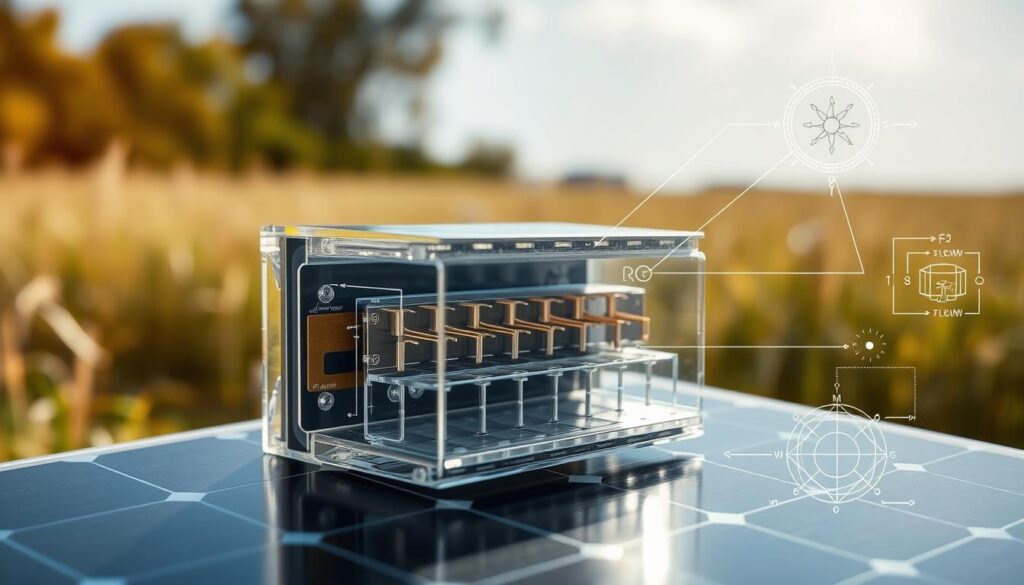
Overview of Saatvik Panels
Saatvik solar panels are leaders in the renewable energy field. They offer a wide range of options to meet various energy needs. Knowing the different types of solar panels is key for those aiming for efficiency and sustainability.
Each type has its own purpose. This ensures that users can find the perfect match for their needs.
Types of Saatvik Panels
Saatvik offers Monofacial, Bifacial, and N TOPCon Bifacial solar panels. Monofacial panels are efficient and capture sunlight from one side. They are great for homes.
Bifacial panels can take in sunlight from both sides. This boosts energy generation. N TOPCon Bifacial panels use the latest tech for better performance, even on cloudy days.
Key Features and Innovations
Saatvik solar panels have high energy efficiency ratings. They are made with top-quality materials for durability and long life. This makes them appealing to those who care about the environment.
Innovations like anti-reflective coatings and better thermal management improve their performance. These features help Saatvik stand out in the solar industry.
Commitment to Quality and Sustainability
Saatvik focuses on quality and sustainability in its manufacturing. The company aims for low carbon footprints and eco-friendly practices. This shows its dedication to the environment.
By using recyclable materials and reducing waste, Saatvik promotes sustainability. This makes them a great choice for renewable energy investments.
Urban Environments: Challenges and Opportunities
Urban areas face unique challenges for solar panels. Limited rooftop space and tall buildings can affect their performance. As cities grow, finding solutions to these issues is key for better energy use.
Typical Urban Conditions Affecting Performance
In cities, many factors can reduce solar panel efficiency. High population density causes shading problems. Local weather and air pollution also block sunlight. These issues require new ways to capture solar energy in cities.
Reflective Surfaces and Shading in Cities
City buildings often use materials that reflect sunlight. This can worsen shading problems for solar panels. Glass and asphalt not only reflect light but also create heat islands. It’s important to address these to boost solar panel efficiency.
Case Studies: Urban Installations of Saatvik Panels
Many cities have used Saatvik Panels to overcome urban challenges. For example, panels on public buildings are placed to avoid shading. These examples show how Saatvik technology adapts to city needs, helping meet renewable energy goals.
Rural Areas: Unique Conditions and Benefits
Rural areas have special conditions that make solar energy a great choice. They get lots of sunlight and have plenty of space. This means solar panels work better here, thanks to fewer obstacles like buildings or trees.
As more communities turn to renewable energy, the benefits of solar power become clear. It’s a big win for rural areas.
Environmental Factors in Rural Settings
The environment in rural areas is key for solar energy. They get lots of direct sunlight and have less air pollution. This makes solar panels work their best all year round.
So, putting solar panels in these areas means more energy for everyone. It also helps local communities become more energy independent.
Space and Installation Opportunities
Rural places have more room for solar panels. This means people can put up bigger systems to catch more sunlight. It’s cheaper to install them here too.
Having more space also lets people arrange panels in the best way. This makes energy production more efficient.
Case Studies: Rural Installations of Saatvik Panels
Many rural areas have shown how well Saatvik Panels work. For example, in Madhya Pradesh, farmers now have power for irrigation. This has really helped their crops grow.
These stories show how solar energy can change rural communities for the better.
Saatvik Panels Performance Metrics
The performance of Saatvik Panels can be measured in several ways. These metrics show how efficient and durable they are. They help users choose the right solar panels for cities or countryside.
Efficiency Ratings of Different Models
Saatvik Panels come in various models with different efficiency ratings. These ratings are key because they show how well the panels turn sunlight into electricity. Higher ratings mean better performance, perfect for city spaces where room is tight.
Models with top efficiency ratings produce more energy. They also use sunlight more effectively, even in tough conditions.
Durability and Longevity in Varying Climates
Solar panel durability is essential for long-term use. Saatvik Panels are built to handle different weather conditions, in cities or rural areas. Their strong build means they can stand up to extreme weather, lasting longer.
Users can count on these panels to perform well, backed by solid warranties. This shows Saatvik’s dedication to quality and lasting performance anywhere.
Comparison of Energy Generation in Urban vs Rural Areas
Saatvik Panels show different energy generation in urban and rural areas. Geographical conditions, space, and shading affect solar installation efficiency. Knowing these factors helps optimize solar technology benefits in various settings.
Performance Data from Urban Installations
In cities, solar panel performance varies due to high-rise buildings and reflective surfaces. These obstacles can lower energy output. Yet, with the right panel placement and technology, solar power can be effectively used.
Performance Data from Rural Installations
Rural areas have more space for solar panels, leading to better energy output. With fewer obstacles, energy generation is often higher than in cities. This makes rural solar generation a good choice for efficiency.
Cost-Effectiveness of Saatvik Panels in Different Settings
When looking at Saatvik Panels, the costs vary a lot. This is because of urban solar costs and rural solar ROI. The place where you install them greatly affects the price.
Cost of Installation in Urban Areas
In cities, the cost of installing Saatvik Panels is higher. This is because of the extra labor costs and the tricky setup in tight spaces. You also have to deal with existing buildings and utility lines, which adds to the price.
But, cities have better access to technology and government help. This can help lower the costs a bit.
Cost of Installation in Rural Areas
Rural areas are different. They have more open space for solar panels, making setup easier. This means the cost of installation is lower.
Also, rural areas have fewer people and lower labor costs. This makes solar energy a better choice for them.
Return on Investment Comparison
Rural areas see big savings and energy efficiency over time. This makes solar energy a smart choice for them. In cities, the initial cost is higher, but the long-term savings are worth it.
Looking at these points helps people make better choices based on their financial situation.
Solar Policy Impact on Performance
The use of solar technology in our daily lives depends a lot on government policies and incentives. In cities, these policies have a big effect. Local governments offer programs like tax credits and rebates to help people install solar systems.
These programs make solar systems cheaper, encouraging more people to invest in them. This is good for the environment and helps cities use clean energy.
Government Incentives in Urban Areas
Urban areas get special help from government incentives to use solar energy. These policies make solar systems more affordable. By giving subsidies, cities make it easier for people to switch to sustainable energy.
This leads to more energy efficiency and a cleaner city. It shows how important these policies are for a greener urban environment.
Government Incentives in Rural Areas
Rural areas also get government help to use solar energy. These incentives are often for farmers, helping them use solar power to improve their work. Funding and favorable loans help farmers start using solar energy.
This helps rural areas produce more energy and meet their sustainability goals. It shows how vital these incentives are for rural communities to use solar power.
Environmental Considerations and Sustainability
Saatvik Panels are key in changing the environment in cities and towns. Cities are turning to solar energy to cut down on pollution. Solar panels help cities use energy better, moving towards a cleaner future.
Impact on Urban Sustainability Goals
Solar tech is a big win for cities. It helps cities use less fossil fuel, making the air cleaner. This leads to healthier living spaces and more green areas, making cities better for everyone.
Impact on Rural Sustainability Goals
Rural areas also gain a lot from solar energy. They often struggle with getting electricity and dealing with high energy costs. Saatvik Panels offer a steady, efficient energy source, boosting farming and improving life for locals. This supports rural goals, bringing clean energy and helping the economy grow.
Conclusion
Saatvik solar performance works well in both cities and countryside. Each place has its own challenges and benefits for solar panels. Cities might struggle with shadows and reflective surfaces. But, the countryside has lots of space and sunlight.
Choosing the right solar technology, like Saatvik Panels, depends on where you are. Knowing the differences between city and country solar setups helps make better choices. This ensures your energy needs are met.
Using solar technology helps achieve green energy goals and improves our environment. Saatvik’s solutions are great for both city dwellers and those in the countryside. They help us move towards a cleaner, greener future together.
0 Comments