

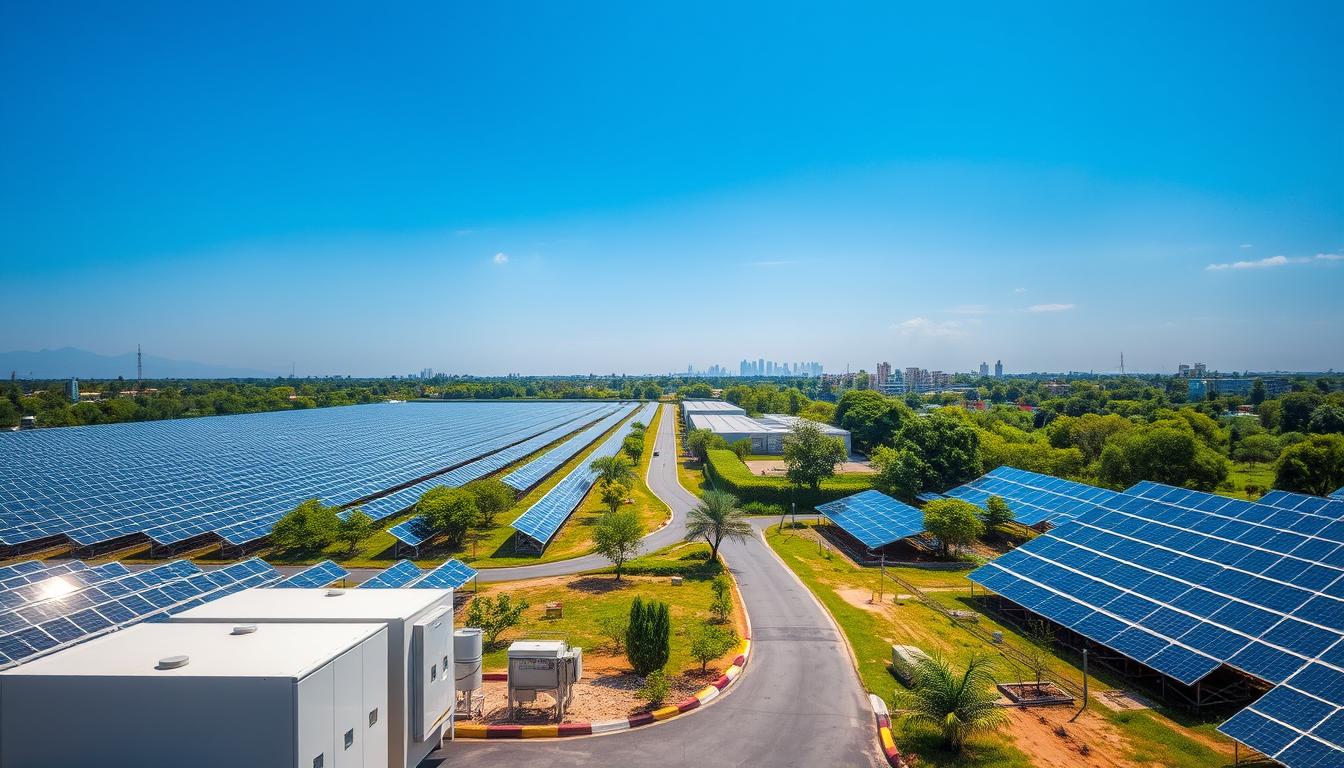
Imagine standing in your backyard, feeling the sun’s warmth. You know the energy you use comes from it. Switching to solar energy in Pune is more than a choice. It’s a big step towards a greener future.
With help from solar consultation Pune, you can start your journey. This path leads to installing solar plants in Pune. It lets families use clean energy, cutting down on carbon emissions and saving money on bills. Let’s explore how sunlight can be a light of hope for our planet.
Key Takeaways
- Understanding the importance of transitioning to solar energy.
- How solar consultation Pune can tailor solutions to your needs.
- The sustainable benefits of solar plants in Pune.
- The steps involved in the solar installation journey.
- Utilizing green energy solutions for cost savings and environmental impact.
Understanding the Solar Journey
Switching to solar energy has many benefits. It’s a great choice for homes and businesses. It helps lower carbon footprints and cuts down on energy costs.
This move towards solar energy in Pune is key. It leads to cleaner air and a greener future.
Importance of transitioning to solar energy
Solar energy has big environmental wins. It cuts down on fossil fuel use, which harms our planet. It also makes us less dependent on energy prices that can change a lot.
Choosing solar energy helps meet global goals. It also makes a big difference in Pune’s energy market.
Overview of the solar installation process
Knowing the solar installation process is helpful. It starts with a meeting to talk about energy needs and budget. Then, a site check is done to make sure the property can use solar energy well.
After getting the right permits, the system is designed and installed. The last steps are checking everything works and connecting it to the grid. This ensures it’s ready to go.
Going solar is more than a choice. It’s a promise to a better, greener future.
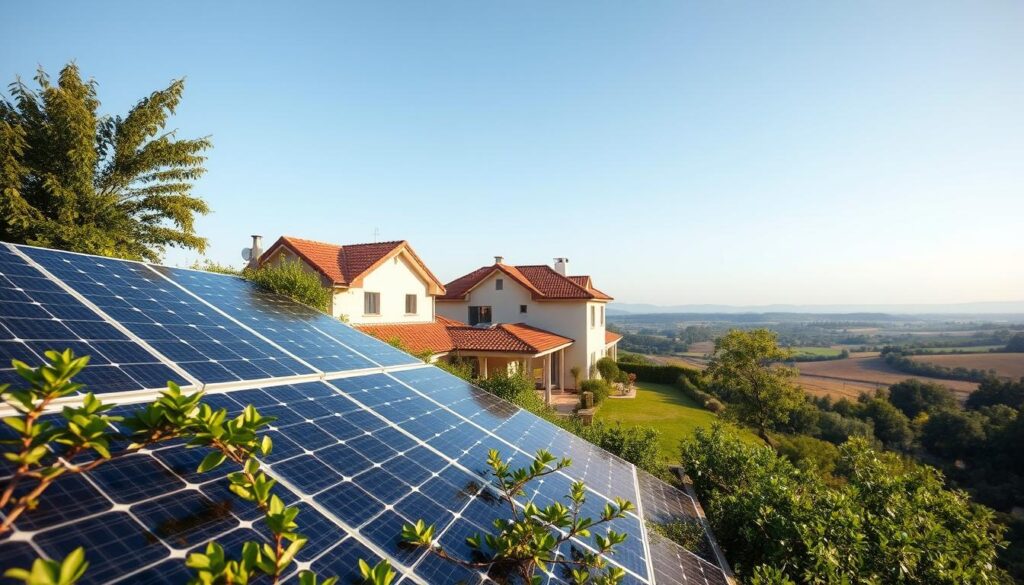
Initial Consultation for Solar Energy Solutions
The first meeting is key in your solar energy journey. Talking to a skilled consultant from a top solar company sets you up for success. You’ll discuss your energy needs and budget, making your path clear.
Discussing energy goals and budget
Knowing your energy goals is vital. You’ll talk about your current energy use, future needs, and money matters. This helps the consultant understand your situation fully.
This step is critical for finding the right solutions. It’s even more important for business solar projects. Here, saving money and being efficient are top priorities.
Tailoring a custom solar solution
Every situation is different. The consultant will use what you’ve shared to create a solar plan just for you. They’ll check if solar plants in Pune fit your needs.
With a plan made just for you, you’ll get the best results and value. This way, you can enjoy the benefits of solar energy fully.
Site Assessment: Evaluating Your Property
Before starting solar panel installation, a detailed site assessment is key. It helps solar companies check if your property is right for solar energy. Knowing what affects solar power helps make smart choices and a good solar system.
Importance of a detailed site assessment
A detailed site assessment has many benefits. It looks at your property’s layout, like the roof’s type, size, and slope. This ensures the solar panels fit your property well. It helps homeowners get the most energy from their system, making their investment worth it.
Factors affecting solar energy at your location
Several important factors impact solar energy at your location. They include:
- Roof Orientation: South-facing roofs get the most sunlight, perfect for solar panels.
- Shading: Trees or buildings nearby can block sunlight, lowering efficiency.
- Structural Integrity: The roof must hold the solar panels and weather.
- Geographic Location: Places with more sunlight are better for solar energy.
Working with skilled solar companies ensures these factors are checked. This careful look helps create a solar system that meets your needs. It’s a step towards a successful solar energy system.
Permitting and Approvals for Solar Plants in Pune
Getting permits and approvals is key when setting up a solar plant. Each step requires following local rules, making sure you’re in compliance, and figuring out if your project can work in Pune. Working with experienced solar plant contractors can make this process smoother.
Navigating local regulations and requirements
Following local rules is vital for a solar project’s success. Each area in Pune has its own rules for permits and approvals. Knowing these rules can make the process easier and avoid problems later.
Timeframe for securing necessary permits
The time it takes to get permits can change based on many things. Generally, the permitting process can take from a few weeks to months. The speed depends on how fast the local government works and how complex your project is. Working with skilled contractors who know Pune’s rules can speed things up.
Solar Panel Design and Proposal Presentation
The design phase of your solar energy journey is all about creating a solar panel layout that fits your energy needs and site. A professional solar energy solutions provider uses insights from the site assessment to make a custom plan. The proposal presentation is key, showing clients important details that help them decide.
Creating a custom solar panel layout
This stage is about making a detailed layout to boost energy efficiency. Important factors include the solar panel’s orientation, shading, and roof space. Each design is tailored to the property, ensuring the best performance. Clients get a visual and detailed plan of the proposed solar plants in Pune.
Financial analysis and expected energy production
Along with design, a detailed financial analysis for solar is vital. This analysis breaks down costs like installation, equipment, and maintenance. Clients see energy production forecasts, showing expected savings over time. This helps them understand the investment’s return and long-term benefits.
Installation of Solar Energy System
Getting a solar energy system is a big step. Knowing the timeline and stages helps homeowners get ready. The whole process usually takes one to two weeks. This depends on how complex the setup is and the system’s size.
Duration and key stages of installation
Several important steps happen during installation:
- Preparation: Getting all needed materials and making sure permits are ready.
- Mounting: Putting solar panels on the roof or ground.
- Electrical Connections: Linking panels to inverters and the grid.
- Final Checks: Making sure everything is mounted right and working.
Safety protocols during installation
Safety is key during solar installation. Following safety rules helps avoid risks and makes the job a success. Important safety steps include:
- Wearing personal protective equipment (PPE) like helmets and gloves.
- Using the right scaffolding and ladders for roof access.
- Doing a detailed risk assessment before starting work.
Inspection and Quality Control Measures
Before a solar energy system is ready, a detailed inspection and quality control are key. These steps make sure the setup follows all safety rules for solar installations. They also ensure the system works well and is safe for users.
Following local laws is very important. It means every part of the system works right and meets industry standards.
Ensuring compliance with safety standards
A good quality control program for solar plants checks every part of the setup. They look at things like how strong the structure is, the electrical connections, and how the panels are placed. Experts do these checks to make sure everything is safe.
This helps avoid problems and makes the solar system last longer and work better.
Final checks before activation
Before the solar system starts working, there are final checks. Technicians test how well the system works and if everything is connected right. They check things like inverters and batteries to make sure they work as expected.
They also keep records of these checks. This shows that the solar plant meets quality standards.
| Inspection Item | Description | Importance |
|---|---|---|
| Electrical Connections | Checked for secure and safe wiring | Prevents possible electrical dangers |
| Structural Integrity | Checks how well the setup is mounted and fixed | Makes sure it stays strong in different weather |
| System Performance Testing | Checks if the energy output is as expected | Confirms it’s efficient and worth the investment |
Connection to the Grid and Activation
After your solar energy system is set up, connecting it to the grid is the next big step. This ensures you can use and share the energy from your solar panels. Working with local utility companies is key to a smooth connection.
Process for interconnection with utility companies
The steps to connect your system include:
- Submitting an application to the utility company.
- The utility reviewing it for rules.
- Installing needed gear like inverters.
- Getting a final okay from the utility.
These steps let your solar system work well with the grid. This way, you can use electricity from the network when your solar isn’t enough.
Monitoring your solar system post-activation
Keeping an eye on your solar system’s performance is vital after it’s turned on. Many systems come with online tools or apps for real-time data. These tools help you:
- See how much energy you’re making and using.
- Spot any problems right away.
- Change how you use energy based on what you learn.
Regular checks help your system run at its best. This means you get the most out of your green energy investment.
Ongoing Support and Maintenance for Solar Systems
After installing solar energy systems, ongoing support is key for their best performance and life. Customer support for solar plants gives homeowners peace of mind. They know help is available for any questions or problems. This support is vital for keeping systems running well long after they’re set up.
Importance of customer support post-installation
Switching to renewable energy is exciting but can be complex. Customer support for solar plants ensures homeowners get expert help when needed. This includes regular checks, solving performance drops, and tips on using the system better. A good support system helps solve problems and makes using solar technology better.
Common issues and solutions for solar plants
Many issues can happen with solar energy systems. But, with proactive maintenance, most can be fixed. Here are some common problems and how to solve them:
| Common Issue | Symptoms | Proposed Solution |
|---|---|---|
| Reduced Energy Output | Noticeable decrease in power generation | Check for shading or dirt on panels and ensure regular cleaning |
| Inverter Issues | Error messages on the inverter screen | Inspect connections and consult support to resolve technical glitches |
| Battery Problems | Frequent battery failures or inefficiencies | Regular maintenance checks and possible battery replacement |
| Wiring Faults | Physical damage or burnt wiring | Immediate inspection by a licensed technician for safe repairs |
Maintaining solar energy systems needs careful attention and quick action. Good customer support makes tracking these issues easier. It helps keep systems running smoothly and efficiently in Pune’s solar scene.
Conclusion
As we wrap up our look at solar energy in India, it’s clear that going solar is more than a choice. It’s a key step towards living sustainably. From the first meeting to turning on your system, the process is made easy for Pune residents.
Experts help you through every step of installing solar plants in Pune. This makes the journey smooth and worry-free.
Going solar does more than save you money on bills. It also cuts down on carbon emissions and helps keep our planet clean for the future. By choosing solar, you’re not just improving your home’s value. You’re also supporting India’s growth in eco-friendly tech.
In short, starting your solar journey in Pune comes with many benefits. With the right resources and growing awareness of green energy, now is the perfect time to switch. Your future, powered by the sun, is waiting!
0 Comments