

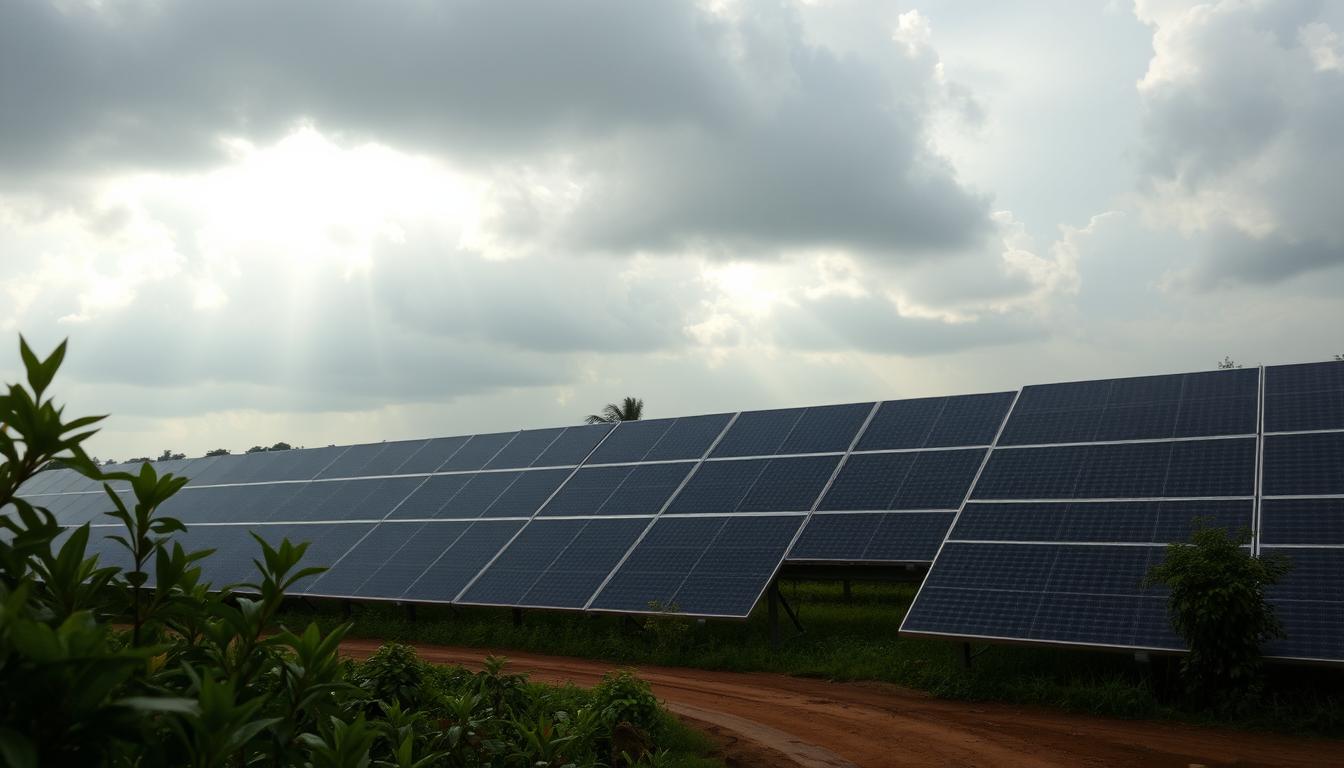
If you live in Maharashtra, you might wonder: Can solar panels really generate electricity when the skies are gray and the rain pours down? Many people are surprised to learn that these systems can work well even during monsoon season. In this article, we’ll look at how solar panels perform under heavy rainfall, debunk common myths, and share tips to get the most out of them in Maharashtra’s rainy weather.
Key Takeaways
- Solar panels are designed to operate efficiently in various weather conditions.
- Understanding solar monsoon performance can help homeowners feel more confident in their investment.
- Maharashtra solar tips can enhance the effectiveness of your solar system during monsoons.
- Proper maintenance can ensure that solar panels withstand heavy rains without damage.
- Misconceptions about solar energy often prevent homeowners from utilizing its benefits.
Understanding Solar Panels and Their Functionality
Solar technology has changed how we get energy from the sun. Solar panels are at the heart of this change. They turn sunlight into electricity using special cells called photovoltaic cells. These cells catch photons, making an electric current that powers homes and businesses.
Knowing how solar panels work helps us see their value. This is true, no matter the weather. They work best when it’s sunny, but they can also work at night or in bad weather with extra help.
Things like inverters and mounting structures are key. They help the system work well, even when the weather isn’t perfect. This ensures we always have power when we need it.
The Impact of Monsoon on Solar Panel Efficiency
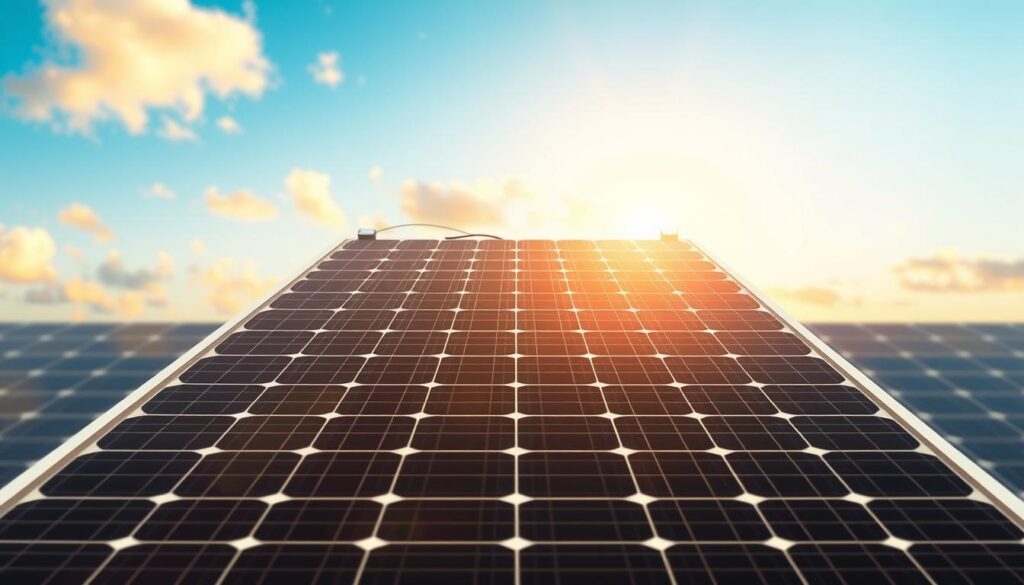
The monsoon season changes how solar panels work. Clouds and heavy rains make it hard for panels to generate power. This can lower their overall output by 10-20% when skies are overcast for a long time.
But there’s a bright side. Rain can clean off dirt and debris from panels. This makes them better at catching sunlight, helping to make up for lost power. Yet, the constant clouds make it hard for panels to work at their best.
High humidity and moisture also affect panels. They find it tough to grab sunlight, leading to more power loss. Knowing about these issues helps users get ready for the rainy season.
Common Misconceptions About Solar Panels in Rain
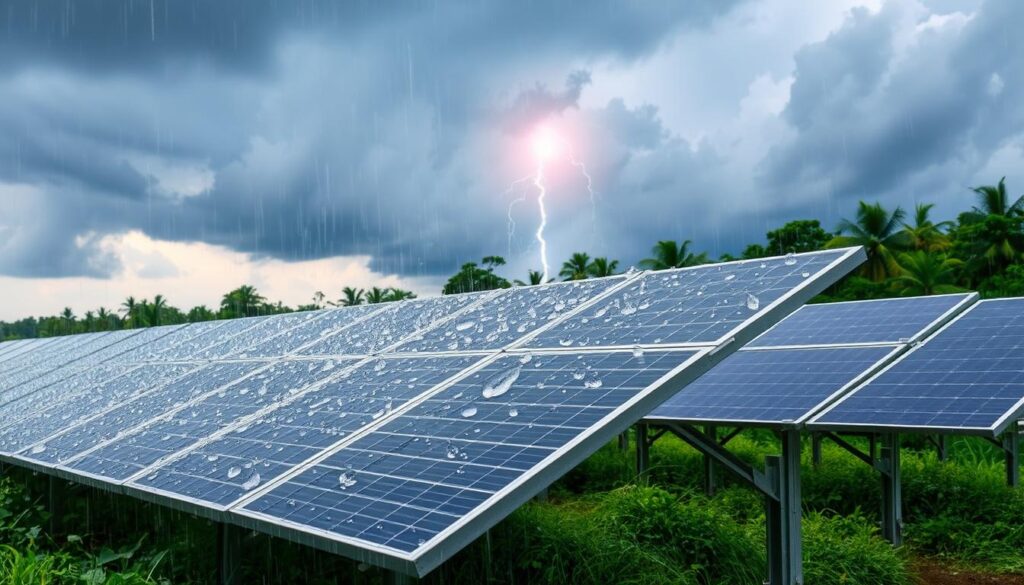
Many myths about solar panels exist, often about their performance in rainy weather. A common myth is that solar panels stop working in rainy seasons. This is not true. Solar panels can work under cloudy skies, using the diffuse sunlight available.
While they might not produce as much energy, they don’t stop working. This is a key point to understand.
Another myth is that solar panels are damaged by rain. People worry about water harming the panels. But, solar panels are made to handle different weather conditions.
They are built with strong materials and are water-resistant. This means rain and solar power can work together, providing energy even in storms.
How Solar Panels Generate Power During Cloudy Days
Many people wonder if solar panels work on cloudy days. The answer is yes, they can work, thanks to diffuse sunlight. While they don’t work as well as on sunny days, they can turn available light into energy.
In Maharashtra, knowing how solar panels work in the rain is key. Even when it’s raining a lot, solar panels can make some power. This means homes can use renewable energy, but it’s smart to have backup systems too.
Factors Affecting Solar Panel Performance in Monsoon
Monsoon season brings changes to how solar panels work. Rainfall intensity is a big factor. Heavy rains block sunlight but also clean panels by removing dust.
Humidity and wind also play a role. High humidity can slow down solar cells. Strong winds can damage the panels’ mounts. Using strong materials like galvanized steel is key to keeping panels safe.
Maintenance Tips for Solar Panels During Rainy Season
Keeping solar panels in good shape during rainy seasons is key. Regular checks each month can spot damage or wear. Look for debris on panels, as it blocks sunlight and cuts down energy.
Also, make sure all electrical connections are tight. This is important for keeping your solar system running well.
Rain can clean off some dirt from panels. But, it’s not enough on its own. Getting professionals to clean and maintain them boosts efficiency and extends their life. Regular care ensures your panels work well even in the monsoon.
Benefits of Installing Solar Panels in Monsoon
Many people worry about installing solar panels in the monsoon. But, there are many good reasons to do it. One big plus is the cost savings. Solar panel prices often go up when demand is high.
By installing during the rainy season, you can avoid these higher prices later. Rain also helps keep solar panels clean, making them work better. Plus, the wet weather helps the foundation of the panels get stronger.
This makes your investment even more valuable. Even on cloudy days, solar panels can produce electricity. This helps you save money by using less power from the grid.
Preventing Damage to Solar Panels in Heavy Rain
To keep solar panels safe from heavy rain, homeowners need to act early. Choosing mounts made for stormy weather is a smart move. This keeps panels steady in strong winds and rain. Regular checks also help spot problems before bad weather hits.
It’s also key to keep the area around your panels clear. Branches or debris can harm your panels in heavy rain. Trimming and clearing regularly protects your panels and boosts their performance.
Getting experts for regular checks is a good idea. They make sure your solar system is ready for rainy days. They check everything to make sure it can handle heavy rain. This way, your solar system works well for years, even in tough weather.
Maharashtra Solar Tips for Homeowners
Homeowners in Maharashtra can make the most of solar energy in the monsoon season with some tips. Cleaning solar panels regularly is key to absorbing light, even on cloudy days. It’s important to understand the challenges of using solar energy in Maharashtra’s monsoon.
Choosing materials that can handle heavy rain is a must. Also, installing solar panels at the right angle is vital for capturing light. This ensures they work well during the rainy season.
Knowing the weather patterns in Maharashtra is also important. Working with reliable solar providers helps homeowners get installations ready for the monsoon. With good maintenance and planning, solar systems can work efficiently all year round.
Solar Panel Installation Timeline During Monsoon
The monsoon season doesn’t change the timeline for installing solar panels much. But, we must think about the weather. The whole process usually takes about 30 days. Yet, too much rain can slow things down, mainly when digging or setting up structures.
It’s smart to prepare the site when it’s not raining too hard. This way, we can get the solar panels up and running faster. Making sure the weather is good for the installation helps us stick to our schedule. With the right plan, we can overcome the challenges of the rainy season.
Conclusion
Solar panels in Maharashtra work well even in the monsoon season, despite some challenges. It’s important for homeowners to understand how solar panels perform in rainy weather. This knowledge helps them make better choices about their energy needs.
Installing solar panels at the right time and keeping them in good shape can improve their performance. Choosing solar energy supports your energy needs and helps the environment in Maharashtra.
Learning more about renewable energy helps homeowners get the most out of solar technology all year. Using solar energy can save money and protect the environment. It’s a smart choice for any season.
0 Comments