

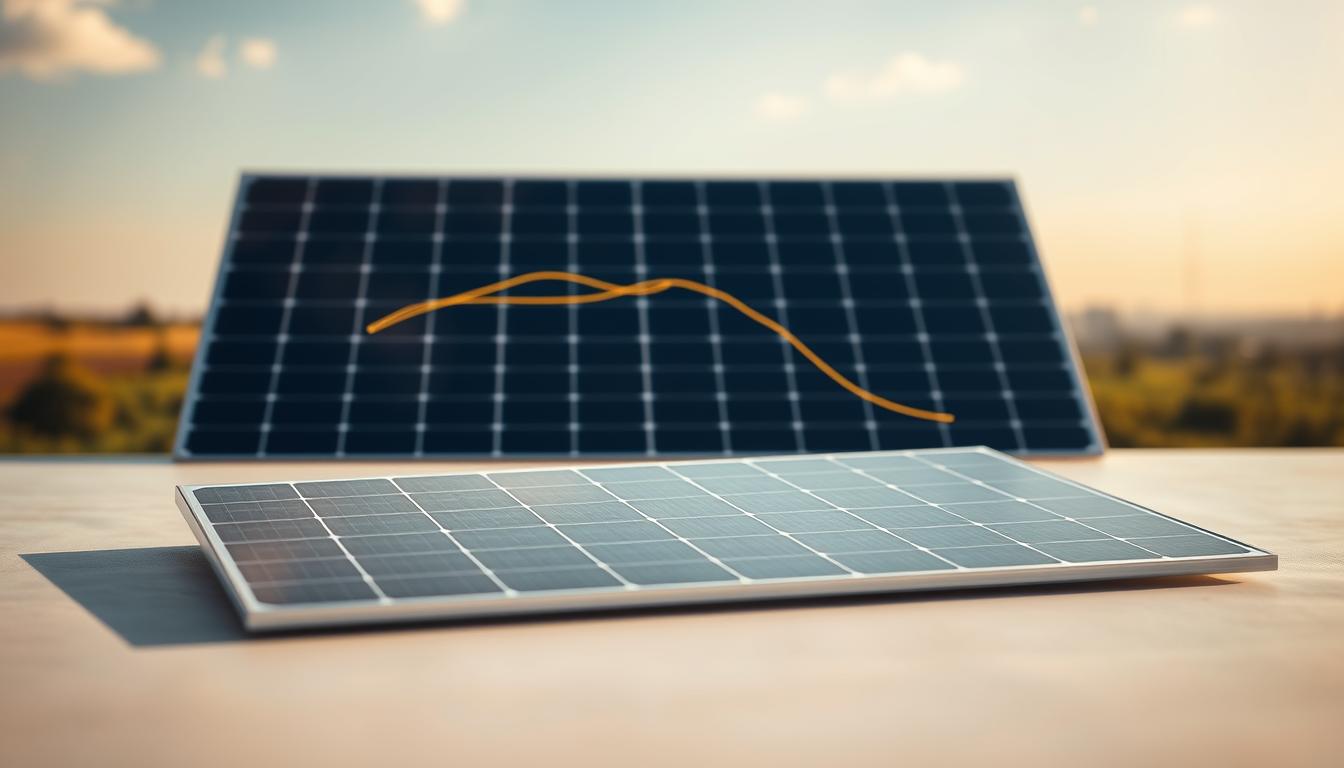
As we move towards renewable energy, knowing how long solar panels last is key. Solar panels are made to work well for 25 to 30 years. Even after that, they can keep making electricity, but not as much.
This part will explain what “useful life” means. It’s not just about how long solar panels last. It’s also about when it’s time to get new ones because they’re not working as well. By choosing solar power in Pune and other places, we can use less energy and help the planet.
Key Takeaways
- Solar panels typically last 25 to 30 years.
- Performance may decrease after this lifespan, impacting efficiency.
- Investing in newer systems becomes practical as output declines.
- The useful life of a solar power system influences energy generation.
- Sustainable living is significantly enhanced through solar energy.
Understanding the Lifespan of Solar Panels
Solar panels usually last between 25 to 30 years. This is important to know when you’re looking into clean energy. Knowing how long they last helps you decide if it’s a good investment.
How well they’re installed affects their lifespan. Panels that are installed right and made with quality materials last longer. The brand of the equipment also matters; better brands often last longer.
Keeping your solar panels in good shape is key. Fixing problems quickly helps them work better and last longer. Remember, even though solar panels are made to last, they will slowly lose some power over time.
What Determines Solar Panel Lifespan?
The lifespan of solar panels depends on several factors. The quality of materials used is a big one. Better materials can handle environmental stress better, making panels last longer.
Other important factors include the type of solar cells and the panel’s design. The technology used also plays a big role. These elements determine how well and for how long panels will work.
How panels are installed is also key. A good installer mounts panels right, getting the most sunlight and avoiding damage. Looking for reputable companies and getting feedback can help ensure quality. This means your solar panels will last longer.
Weather conditions also affect solar panels. Panels in harsh climates may degrade faster. Regular maintenance helps keep systems running well. By understanding these factors, homeowners can choose wisely and extend their solar system’s life.
Factors Affecting Solar Panel Performance
The way solar panels work can really affect how well they use the sun’s energy. A big factor is how well they are installed. If they’re not installed right, they won’t work as well.
Keeping the panels clean and free from dirt is also key. Weather like very hot or cold days can also change how well they work. Plus, if trees or buildings block the sun, it can make them less efficient.
Regular checks and upkeep are important. They help keep the panels working at their best. This way, solar panels can keep making energy for a long time.
Solar Panel Degradation Rates Explained
Knowing about solar panel degradation is key for those thinking about solar energy. Solar panels lose efficiency over time, influenced by several factors and materials. Degradation rates usually fall between 0.5% and 0.8% each year.
This decline in performance can affect how much electricity a system generates. It’s important to keep an eye on how well your solar panels are working.
Annual Degradation Rates
A 2021 study by the National Renewable Energy Laboratory sheds light on annual rates. For instance, a 300-watt solar panel might lose about 2.4 watts each year with an 0.8% rate. Over 20 years, this could lead to a big drop in electricity output.
This highlights the need to check your system’s performance often.
Factors Influencing Degradation Rates
Many things affect how much solar panels degrade. The materials used in making them play a big role. They must handle temperature changes, hail, and UV rays well.
How panels are made and the quality checks they go through also matter. Knowing these can help you choose the best solar system for your needs.
The Role of Solar Panel Warranties
Knowing about solar panel warranties is key for those looking into solar energy. A good warranty includes both product and performance guarantees. This means customers get quality panels with the manufacturer’s backing.
These warranties protect against defects over the panels’ life. This gives homeowners peace of mind as they switch to green energy.
Performance guarantees tell you how much energy the panels will produce over time. This is vital for knowing how long panels will work well. It helps consumers choose based on their energy and financial needs.
Getting a solar panel warranty is more than just protection. It shows buyers are picking durable products. With many brands out there, warranties help spot the best solar options.
Long-Term Investment in Solar Energy Solutions
Investing in solar energy is a smart long-term choice for homes and businesses. It cuts down on traditional power use and boosts sustainability. Using solar energy helps the environment by reducing pollution.
Solar panels save a lot of money over time. These savings help pay off the cost of installing them. Plus, homes with solar panels often sell for more, making it a wise financial move.
Going solar means choosing clean energy over old ways. It shows a dedication to living green. As energy needs grow, solar power provides a steady, clean source for the future.
Comparing Different Types of Solar Panels
Solar panels come in many types, each with its own benefits. Knowing these can help you choose the best for your needs. This includes energy efficiency, cost, and how long they last.
Monocrystalline vs. Polycrystalline Panels
Monocrystalline panels are top-notch in efficiency and look sleek. They’re made from a single crystal, which means they convert more energy. They cost more but last longer, making them a smart choice.
Polycrystalline panels, on the other hand, are made from many crystals. They’re less efficient but cheaper. They’re perfect for those watching their budget but want reliable solar power.
Thin-Film Technology Performance
Thin-film technology offers a unique way to make solar panels. These panels are thin, light, and flexible. This makes them easy to install in different places.
Even though they’re not as efficient as others, thin-film panels work well in low light. They’re great for places where light and space are limited.
Saatvik Performance and Its Impact on Lifespan
The energy sector in India is moving towards renewables in India. Saatvik performance is a key player in this shift. Their solar panels are made to convert energy efficiently, which affects their lifespan. These panels show lower degradation rates, helping to keep energy output high over time.
In places like Pune, solar energy is becoming more popular. Saatvik panels are at the forefront of this trend. They are durable, making them a smart choice for homes and businesses in solar panels in Pune. Saatvik’s focus on high performance and durability sets a high standard for sustainable energy in India.
End-of-Life Management of Solar Panels
Solar technology keeps getting better, making it key to know how to handle solar panels at the end of their life. Good disposal and recycling help the planet. With millions of panels nearing the end, we need new ways to manage them.
Recycling and Reusing Solar Panels
Recycling solar panels is vital. Parts like glass, metals, and silicon can be reused, cutting down on waste. Companies are working on recycling these materials efficiently.
This not only saves resources but also supports a circular economy in solar energy.
Environmental Implications of End-of-Life Solar Panels
What happens to solar panels at the end is big for the environment. If not recycled right, they can harm soil and water. Recycling panels helps avoid these problems.
As we learn more about recycling, the solar industry can lead to a greener future. This way, everyone can enjoy clean energy for years to come.
Maintaining Your Solar Power System for Longevity
Keeping your solar power system in good shape is key to its long life and performance. By following best practices, you can make your solar panels work better. Cleaning the panels regularly gets rid of dirt and debris that block sunlight.
This cleaning should match the weather and environment in your area. It’s important to keep your panels clean to get the most energy.
Regular checks can spot problems early. Look for loose wires, damage, or anything that blocks sunlight. Getting a professional to check your system can find issues you might miss. These steps help your system run efficiently and last longer.
Future Innovations in Solar Technology
The world of solar energy is changing fast. New solar technologies are making panels more efficient and powerful. These advancements use new materials and designs to catch more sunlight, even on cloudy days.
Bifacial solar panels are a big deal. They can grab sunlight from both sides, boosting daily energy. These panels also last longer, thanks to better materials. Scientists are working on transparent solar cells too. This could turn windows into solar power sources without changing how they look.
Companies are adding smart tech to solar panels. This lets them watch and fix panels in real time. As things get better, solar products will look and work even better. This will make them more popular with people and businesses.
Conclusion
Understanding how long solar panels last is key for those thinking about switching to renewable energy. Knowing what affects their lifespan helps people choose the right solar options. This way, they can save money and help the planet.
Renewable energy does more than save money; it’s good for the planet. In places like Pune, using solar power helps reduce carbon emissions. It’s a step towards a cleaner, greener future.
Knowing how solar panels perform over time is important. With this knowledge, we can support the use of solar energy. This benefits our finances and the environment, making our communities better.
0 Comments